
C-Section Delivery
A Cesarean section (C-section) is a surgical procedure to deliver a baby through incisions made in the mother’s abdomen and uterus. It is recommended when a normal vaginal birth may pose risks to the mother or baby.
Thanks to modern surgical techniques, advanced anesthesia, and improved post-operative care, C-sections today are safe and common, accounting for nearly one-third of all births worldwide. While it is a major surgery, a C-section can be a life-saving procedure, ensuring the safety of both mother and child.
Medical Reasons for a C-Section
Doctors may recommend a C-section for several medical or pregnancy-related concerns. Some of the most frequent include:
Breech or Transverse Position: When the baby isn’t in a head-down position.
Placenta Previa: Placenta covering the cervix, blocking the birth passage.
Fetal Distress: Baby showing reduced oxygen supply or irregular heart rate.
Multiple Pregnancies: Twins, triplets, or more often require surgical delivery.
History of C-Section: In many cases, a repeat procedure is safer than VBAC.
Maternal Health Issues: Conditions such as hypertension, cardiac disease, or active infections.
Such decisions are always made with the mother’s consent, focusing on the well-being of both mother and baby.
What Happens During the Procedure
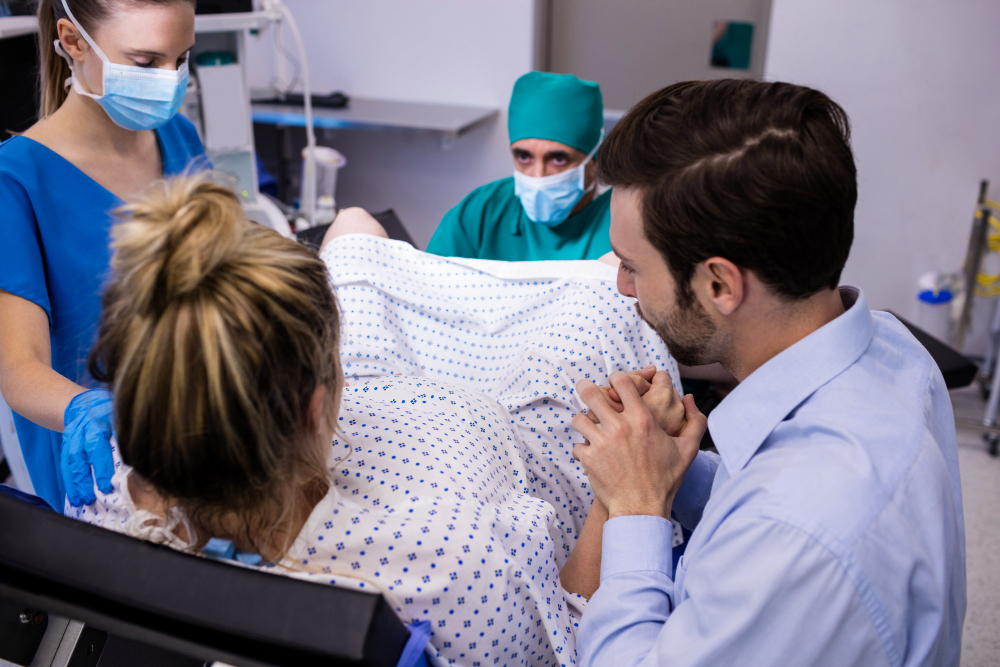
A scheduled C-section is usually performed under spinal or epidural anesthesia, allowing the mother to stay conscious but pain-free throughout. The procedure generally includes:
Preparation – IV line, anesthesia, and catheter placement.
Incision – A horizontal cut made just above the pelvic area.
Delivery – Baby is gently lifted out through the uterus.
Closure – Uterus and abdominal layers are carefully stitched.
The whole surgery typically lasts 30–45 minutes, with most babies delivered within the first 10 minutes.
Recovery and Postnatal Care
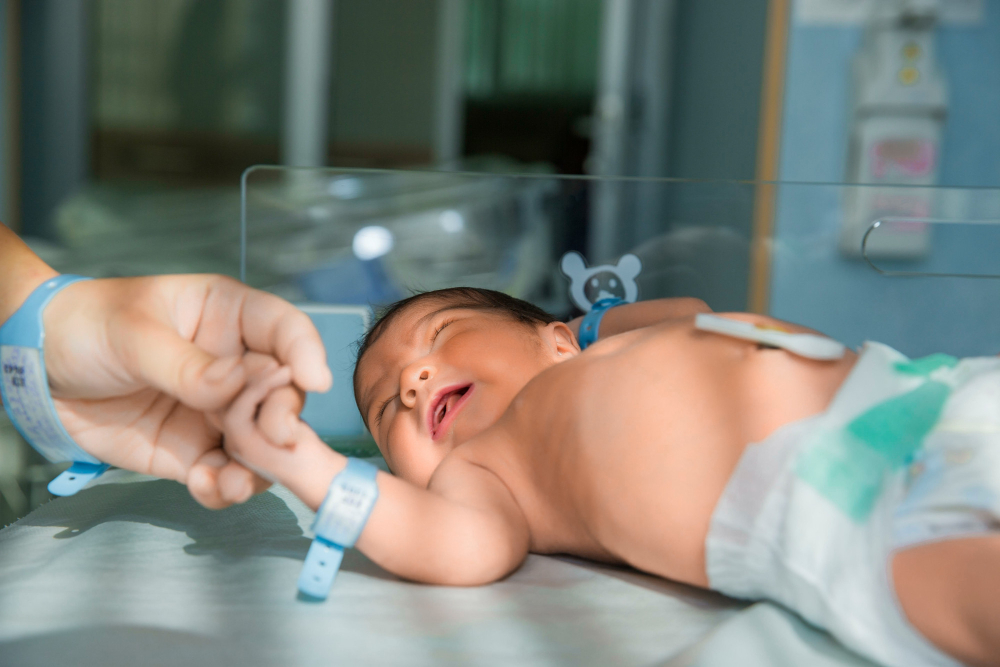
Healing from a C-section generally takes longer compared to vaginal delivery. Most women require 3–4 days in the hospital and several weeks of rest at home. Key recovery steps include:
Adequate rest and light activity – Avoid heavy lifting for 6–8 weeks.
Pain relief medications – Prescribed drugs safe for breastfeeding mothers.
Incision care – Keeping the wound area clean and dry.
Emotional and family support – A strong support system aids faster healing.
At Dr. Meenu’s Gynecology & Fertility Clinic, mothers receive tailored postnatal support, including wound monitoring, lactation guidance, and recovery check-ins to make the process smoother.
Why Choose Dr. Meenu’s Gynecology & Fertility Clinic for C-Section Delivery
At Dr. Tuhina Goel’s clinic, we ensure that every surgical delivery is safe, supportive, and reassuring. Here’s why families trust us:
✅ Skilled obstetric and surgical specialists
✅ 24×7 emergency assistance with fetal monitoring
✅ Modern operation theaters with neonatal care facilities
✅ Customized birth plans respecting the mother’s choices
✅ Comprehensive recovery support with counseling
We believe that whether it’s a vaginal birth or a C-section, every delivery should be a joyful and empowering experience. From preparation to recovery, we are committed to walking beside you at every step.

Take One Step Closer to Parenthood
Every journey to becoming a parent is unique. At Dr Meenu’s Clinic, we combine care, expertise, and technology to give you the best chance of success.
Make An Appointment