
Assisted Embryo Hatching
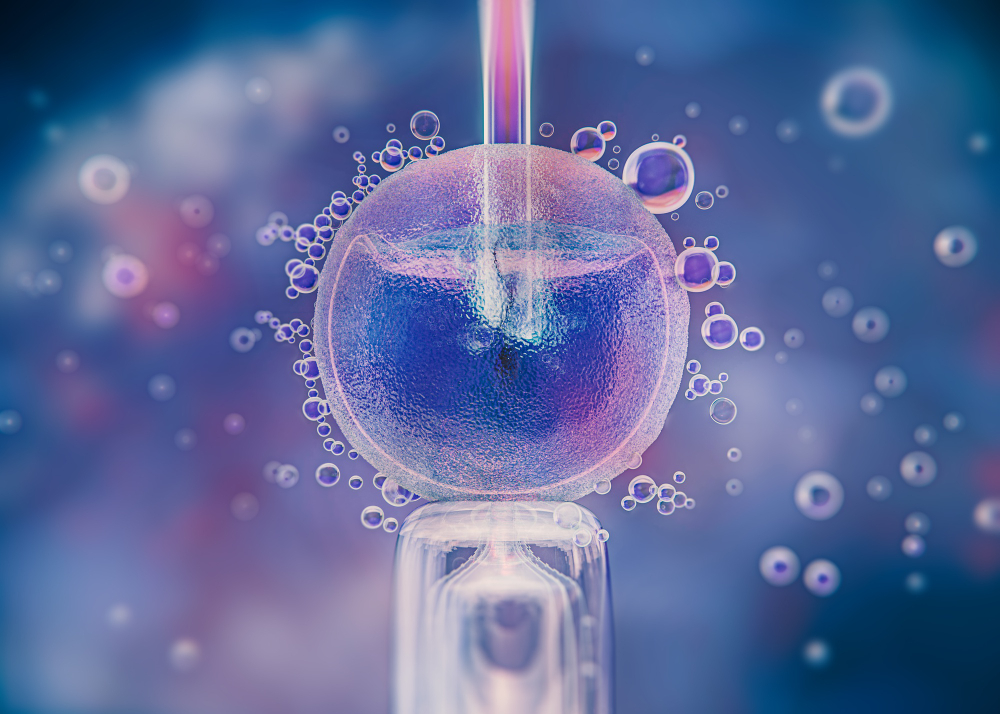
Assisted embryo hatching is a specialized laboratory technique used in certain IVF treatments to support successful implantation of embryos in the uterus. Every embryo is surrounded by a protective outer shell called the zona pellucida, which must thin and break naturally for the embryo to attach to the uterine lining.
In some cases, this hatching process may not occur efficiently, reducing the chances of implantation and successful pregnancy. Assisted embryo hatching creates a small opening or thins the zona pellucida, helping the embryo hatch naturally and attach to the uterine lining more effectively. This technique can be particularly beneficial in improving IVF success rates for specific patients.
Why Assisted Hatching May Be Recommended
While many embryos hatch naturally, assisted hatching can enhance implantation chances in certain situations:
Advanced maternal age: Women over 37 may have embryos with a tougher outer shell.
Repeated IVF failures: Patients who have had unsuccessful IVF cycles.
Thick zona pellucida: Embryos with a thicker outer layer that may hinder natural hatching.
Frozen-thawed embryos: The freezing and thawing process can harden the zona pellucida.
By supporting the embryo in this crucial step, assisted hatching can give couples facing fertility challenges a better opportunity for a successful pregnancy.
The Science and Technique Behind Assisted Hatching
Assisted hatching is performed in a high-tech IVF laboratory using precise micromanipulation tools under a microscope. There are several methods:
Mechanical hatching: Creating a tiny opening using fine instruments.
Chemical hatching: Using safe solutions to thin the zona pellucida.
Laser-assisted hatching: The most advanced and preferred method, using a laser to create a small opening without harming the embryo.
Laser-assisted hatching is widely used due to its accuracy, safety, and minimal handling of the embryo. Once the embryo is transferred to the uterus, it can emerge through the opening more easily, increasing the likelihood of successful implantation.

Benefits and Considerations
The primary benefit of assisted embryo hatching is enhancing implantation and pregnancy rates in patients who need additional support. However, it is not necessary for every IVF cycle.
Benefits:
Supports embryos that may struggle to hatch naturally.
Improves chances of pregnancy for women with specific fertility challenges.
Performed safely under controlled laboratory conditions.
Considerations:
Not recommended for all IVF patients — evaluation is personalized.
Requires advanced technology and experienced embryologists.
While generally safe, it should only be performed in specialized fertility centers.
Our Expertise at Dr. Meenu’s Clinic
At Dr. Meenu’s Gynecology & Fertility Clinic, we combine state-of-the-art laser technology with the precision and care of highly skilled embryologists to offer world-class assisted embryo hatching services.
Expert embryologists: Our team has extensive experience in IVF procedures and assisted hatching.
Advanced laboratory protocols: Ensuring optimal embryo development and safety.
Personalized care: Each patient is evaluated individually to determine if assisted hatching could improve success rates.
Compassionate support: We understand the emotional and physical investment of fertility treatments and provide guidance throughout your journey.
If you have experienced challenges with implantation or multiple IVF attempts, our specialists are here to discuss whether assisted embryo hatching is the right step for you.

Take One Step Closer to Parenthood
Every journey to becoming a parent is unique. At Dr Meenu’s Clinic, we combine care, expertise, and technology to give you the best chance of success.