
Blastocyst Transfer
Blastocyst transfer is an advanced step in the IVF process where embryos are cultured in the laboratory for five to six days after fertilization until they reach the blastocyst stage — a critical milestone in early embryo development.
Reaching this stage is highly significant, as only the healthiest and most viable embryos develop into blastocysts. Transferring embryos at this point not only mirrors the natural timing of conception, when an embryo enters the womb in a natural pregnancy, but also increases the chances of successful implantation and a healthy pregnancy.
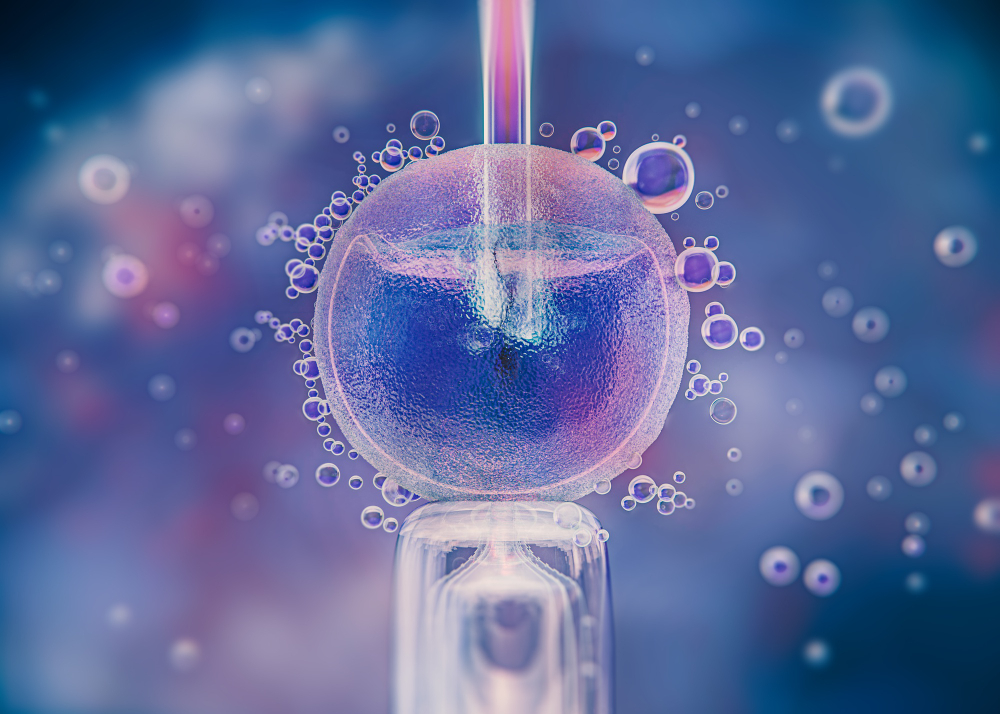
The Science Behind Blastocyst Development
In natural conception, after fertilization occurs in the fallopian tube, the embryo travels for several days before reaching the uterus. By the time it arrives, it has typically developed into a blastocyst, ready to implant into the uterine lining.
In IVF, this natural process is carefully replicated in a state-of-the-art laboratory:
Embryologists monitor embryos daily to ensure healthy development.
By day 5–6, the strongest embryos progress to the blastocyst stage.
A blastocyst has two critical parts:
Inner cell mass – develops into the baby.
Trophoblast – forms the placenta and supporting tissues.
This natural selection ensures that only embryos with the highest implantation potential are chosen for transfer, improving the likelihood of pregnancy.
Benefits of Blastocyst Transfer
Choosing blastocyst transfer offers several important advantages:
✅ Higher success rates – Blastocysts have stronger implantation potential compared to earlier-stage embryos.
✅ Natural selection process – Only robust embryos survive to this stage, increasing the chances of pregnancy.
✅ Reduced risk of multiple pregnancies – High implantation efficiency means fewer embryos need to be transferred.
✅ Better synchronization – Blastocyst transfer aligns closely with the uterus’s natural implantation window.
✅ Improved embryo evaluation – Culturing embryos longer allows embryologists to better identify the most viable ones.

Procedure Of Blastocyst Transfer
The blastocyst transfer process follows the standard IVF steps with a slightly extended embryo culture period:
Ovarian stimulation & egg retrieval – Mature eggs are collected after stimulation.
Fertilization in the lab – Eggs are fertilized with sperm using IVF or ICSI.
Embryo culture (5–6 days) – Embryos are grown in a specialized incubator with controlled temperature, pH, and nutrients.
Blastocyst selection – The healthiest embryos are identified for transfer.
Embryo transfer – A thin catheter is used to place the blastocyst into the uterus in a quick, painless, and anesthesia-free procedure.
Post-transfer care – Patients can usually resume normal activities, with light rest advised on the day of transfer.
Pregnancy testing – Around 10–14 days later, a blood test confirms whether implantation was successful.
Our Expertise in Blastocyst Transfer
At Dr. Meenu’s Gynecology & Fertility Clinic, we take pride in offering world-class IVF services with a strong focus on personalized care and advanced techniques like blastocyst transfer.
🔬 Cutting-edge laboratory facilities – Equipped with high-precision incubators and monitoring systems.
👩⚕️ Experienced embryologists – Skilled in embryo culture, selection, and transfer techniques.
📋 Tailored treatment plans – Each patient’s journey is customized for the best possible outcomes.
❤️ Compassionate care – We provide emotional support and guidance at every step of your fertility journey.
🌟 Transparency & trust – We believe in keeping patients informed and empowered throughout treatment.

Take One Step Closer to Parenthood
Every journey to becoming a parent is unique. At Dr Meenu’s Clinic, we combine care, expertise, and technology to give you the best chance of success.